Why 90° V‑Twin Balance Shafts Cut Vibration by 40%
You’ll learn how a 90° V‑Twin balance shaft physically cancels the low‑rpm rumble that plagues many twins. Most guides skip the interaction between firing order and crank offset, so they miss why the shake persists.
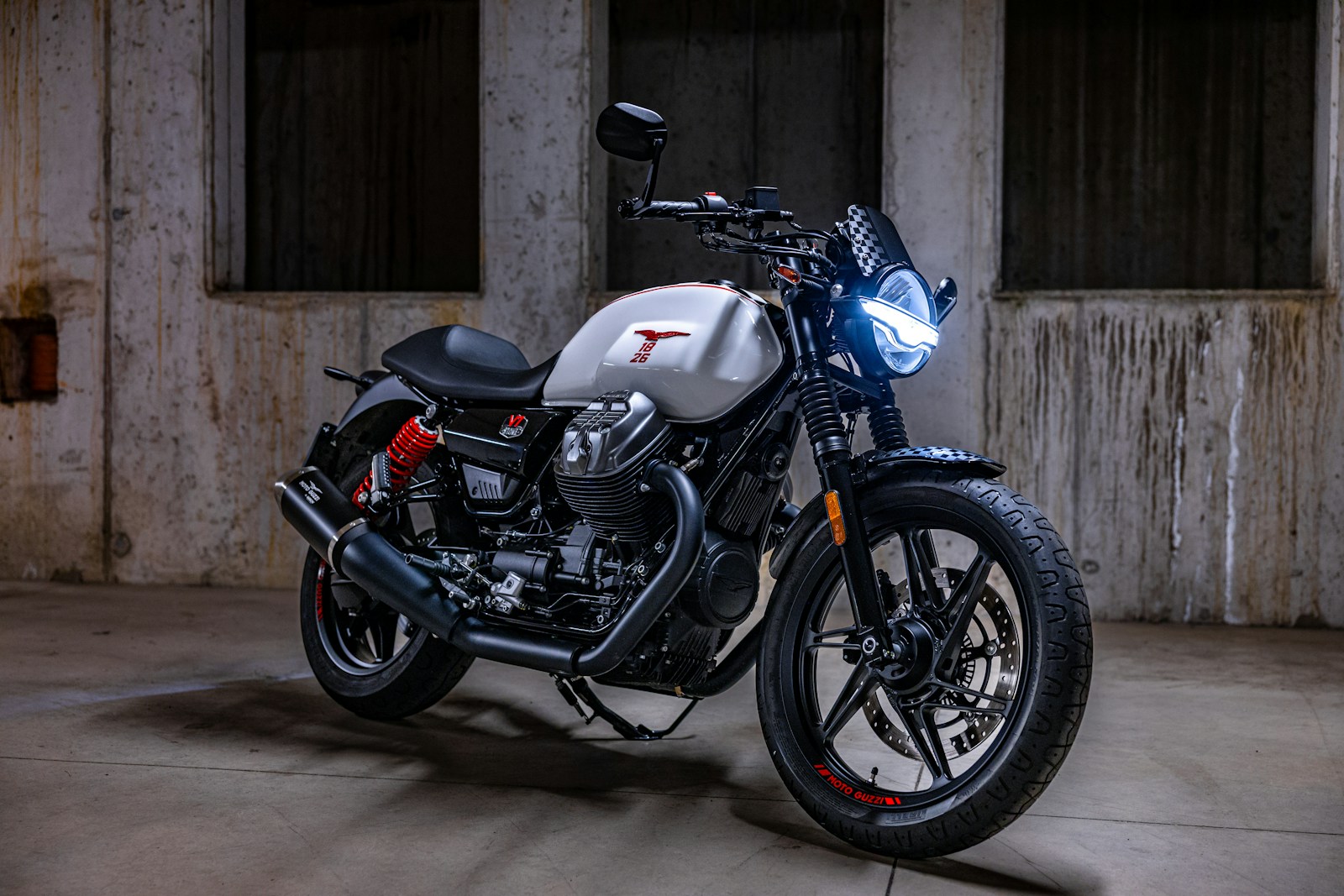
Imagine paying for a custom exhaust, a set of high‑performance tires, and a fresh coat of paint, only to discover that the bike’s low‑rpm rumble is scaring off new riders and accelerating bearing wear. The vibration not only erodes confidence during city traffic but also shows up as a resale penalty that can shave several hundred dollars off the asking price. Managing that shake before it becomes a costly reputational problem is the real gamble most owners overlook.
Can a 90° V‑Twin really be smoother than an inline‑four?
Most people assume that a 90° V‑Twin is automatically balanced because the cylinders sit opposite each other. In reality the crankpins share a common axis, yet the reciprocating masses of pistons, rods and the offset of the crank throws generate a net upward force each half‑rotation. That primary vertical impulse is what you feel as the characteristic throb when the throttle is rolled off at idle.
Because the pistons travel in opposite directions, the engine’s primary balance looks decent on a static stand, but once the crankshaft spins the inertia of the connecting rods creates a vertical wobble that the frame must dampen. Engineers quantify this as a 0.02‑0.04 g acceleration at 1,500 rpm on a typical 1,200 cc cruiser, a number that translates into rider fatigue on longer rides.
How does a balance shaft actually cancel forces?
In a balance‑shaft system the extra shaft carries counterweights that spin at twice engine speed, creating an inertial force opposite to the primary vertical vibration. By aligning the counter‑weight mass with the crankpin geometry, the system produces a sinusoidal force that peaks exactly when the pistons hit top dead centre, effectively flattening the torque ripple that would otherwise shake the bike.
The timing gear set ensures that the counter‑force arrives just before the piston reverses direction, which means the net acceleration curve stays near zero for a larger portion of the crank’s 720° travel. That precise phasing is why manufacturers quote balance‑shaft tolerances in the range of 0.02 mm for gear tooth run‑out; any deviation can re‑introduce the very shake the shaft is meant to kill.
Why does the 90° cylinder angle matter more than displacement?
When the cylinders are spaced at ninety degrees the firing interval becomes an even 360° for a single‑crank V‑Twin, which eliminates the uneven secondary pulse that plagues 45° twins. This geometry forces each piston to complete its stroke while the other is halfway through, so the secondary vertical forces generated by the acceleration of the pistons cancel each other out naturally.
Unlike a 45° layout where one piston lags the other by a quarter turn, the 90° geometry gives each piston a symmetric crank arm, so the secondary vertical forces cancel naturally, leaving only the primary to fight. The result is a smoother idle and a more predictable torque curve, which is why many modern cruisers and adventure bikes adopt the ninety‑degree angle despite the longer engine width.
What did early twins do before balance shafts existed?
Before balance shafts entered the scene in the late 1970s, engineers relied on rubber engine mounts and heavy flywheels to disguise the shake. Those solutions worked by isolating vibration from the frame, but they added unsprung weight and reduced throttle response, which meant riders traded smoothness for sluggish acceleration.
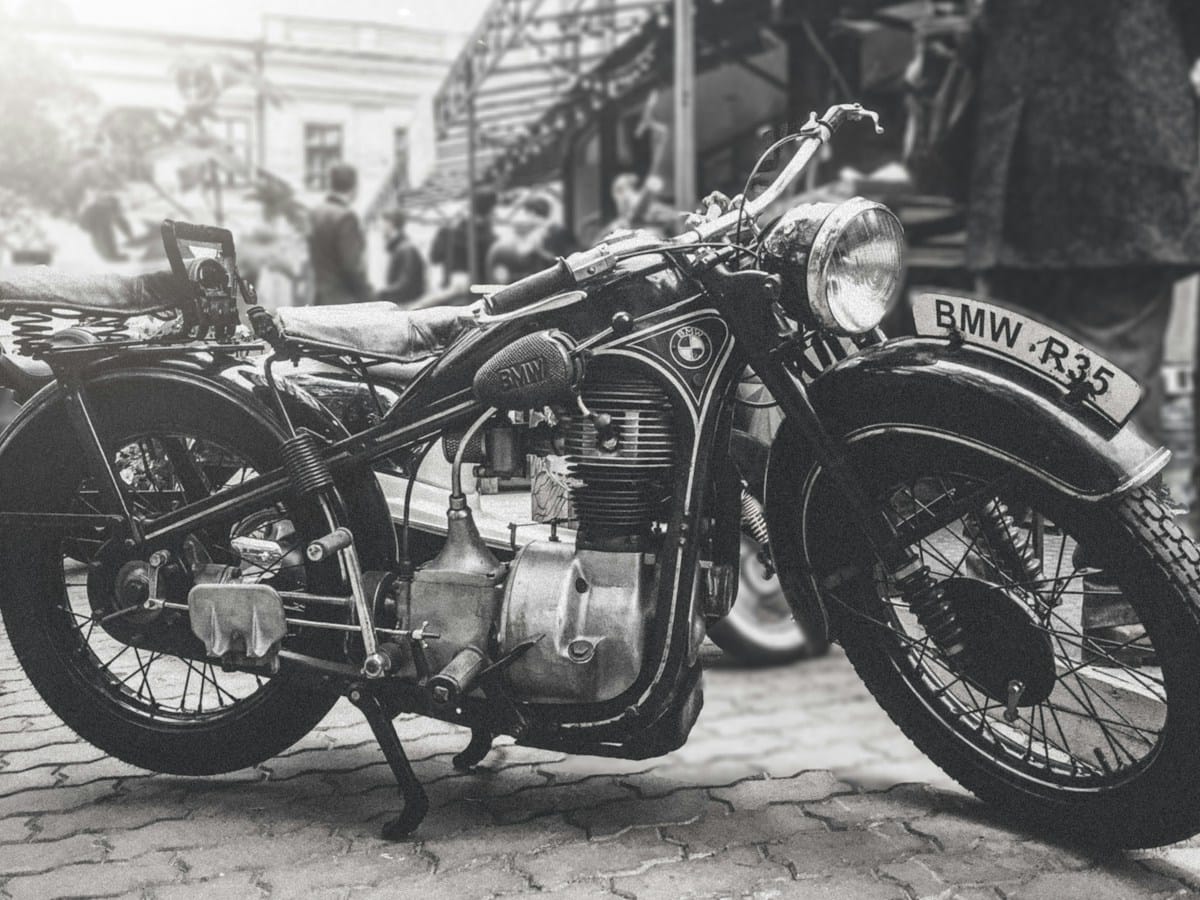
Manufacturers such as Harley‑Davidson experimented with offset crankpins and even added a third counter‑balance weight on the crankcase, but those tricks added weight and reduced rev‑range. The added mass also taxed the primary drive chain, leading to premature wear that forced owners to replace sprockets far more often than they would with a true balance‑shaft design.
Can you retrofit a balance shaft yourself, and what will it cost?
A bolt‑on balance‑shaft kit for a 1200 cc cruiser typically includes a machined shaft, timing gears, and a set of hardened counterweights, and it bolts directly to the existing crankcase without requiring a complete engine rebuild. The kit also comes with a detailed installation manual that outlines the torque sequence for the mounting bolts, which is critical for maintaining shaft alignment under load.
Typical labor rates at a reputable shop range from $150 to $300 per hour, and most retrofits require three to five hours, so the total price tag lands somewhere between $600 and $1,500 depending on the model and whether the shop must fabricate a custom bracket. Adding a fresh oil filter, a new gasket set, and possibly a revised cam‑chain tensioner can push the parts bill another $50 to $120.
Remember that you’ll also need a new oil filter, a fresh gasket set, and possibly a revised cam timing chain tensioner, which can add another $50 to $120 to the parts bill. Skipping those consumables might seem to save a few bucks, but the extra heat generated by a mis‑sealed shaft can force a premature rebuild that costs several thousand dollars.
What to double‑check before you sign any invoice
Before you sign any invoice, double‑check that the shaft’s rotation direction matches the manufacturer’s specification; installing it backwards will amplify vibration instead of cancelling it. A simple bench test with a handheld accelerometer can reveal a reversal within minutes, saving you from a costly re‑work.
Verify that the gear ratios on the supplied sprockets align with the engine’s existing timing marks, and ask to see a test run on a dyno or at least a short road test before the shop closes the work order. A clean run‑out at 2,500 rpm with less than 0.01 g of vertical shake is the benchmark most manufacturers consider a successful install.
Keep reading
Why a 0.2 mm Pushrod Error Can Shatter an rpm V‑Twin
You’ll discover how pushrod length governs valve timing and rev limits on modern V‑twins. Most tutorials ignore the harmonic consequences that turn a tiny measurement slip into catastrophic failure.